The evolving landscape of modern living demands interiors that are not only stylish but highly functional. In 2026, designers are placing a strong emphasis on adaptable spaces that seamlessly balance aesthetics with utility.
- Spaces That Adapt with You
Traditional single-purpose rooms are being replaced by flexible areas that effortlessly transform based on need. Homes are now designed to serve as living spaces, work zones, and entertainment areas—without compromising on style.
Design suggestions include:
- Modular furniture that reconfigures for lounge, work, or dining.
- Sliding partitions to create privacy without permanent walls.
- Convertible tables and chairs for dynamic living rooms.
- Such flexibility enhances functionality and future-proofs spaces for changing lifestyles.
- The Multifunctional Furniture Movement
Furniture now plays a key role in creating flexible interiors. Retractable surfaces, hidden storage, and convertible pieces allow rooms to function in multiple capacities.
Tips:
- Choose storage-integrated seating.
- Opt for beds with built-in cabinets.
- Use nesting tables for adaptable layouts.
- Sculptural Kitchen Islands & Hybrid Zones
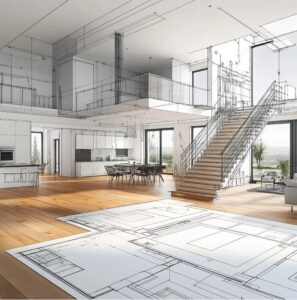
Kitchens and living areas are becoming hybrid environments where cooking, entertaining, and remote working converge. A sculptural kitchen island can serve as a workspace, dining hub, and storage zone—all in one.
- Future-Ready Design
Smart storage solutions, ergonomic layouts, and thoughtful lighting amplify usability. The result? Interiors that feel intuitive and responsive to daily life.
Final Thought
Functional and flexible design isn’t just a trend—it’s a redefinition of how spaces operate. By embracing adaptable furniture, multifunctional zones, and dynamic layouts, interiors in 2026 are both practical and beautiful.